Nullam dignissim, ante scelerisque the is euismod fermentum odio sem semper the is erat, a feugiat leo urna eget eros. Duis Aenean a imperdiet risus.
Nullam dignissim, ante scelerisque the is euismod fermentum odio sem semper the is erat, a feugiat leo urna eget eros. Duis Aenean a imperdiet risus.


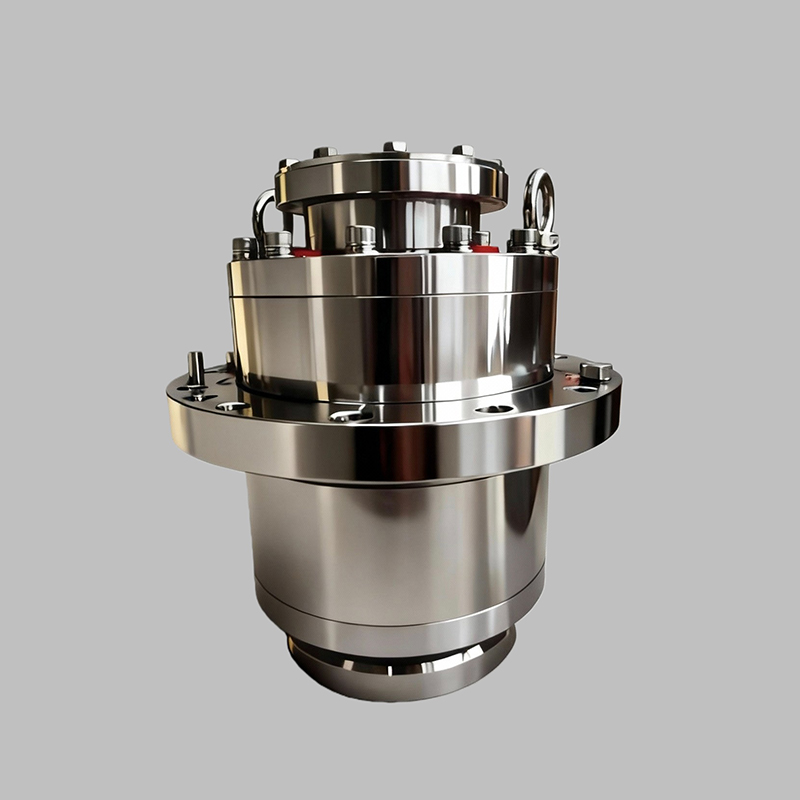
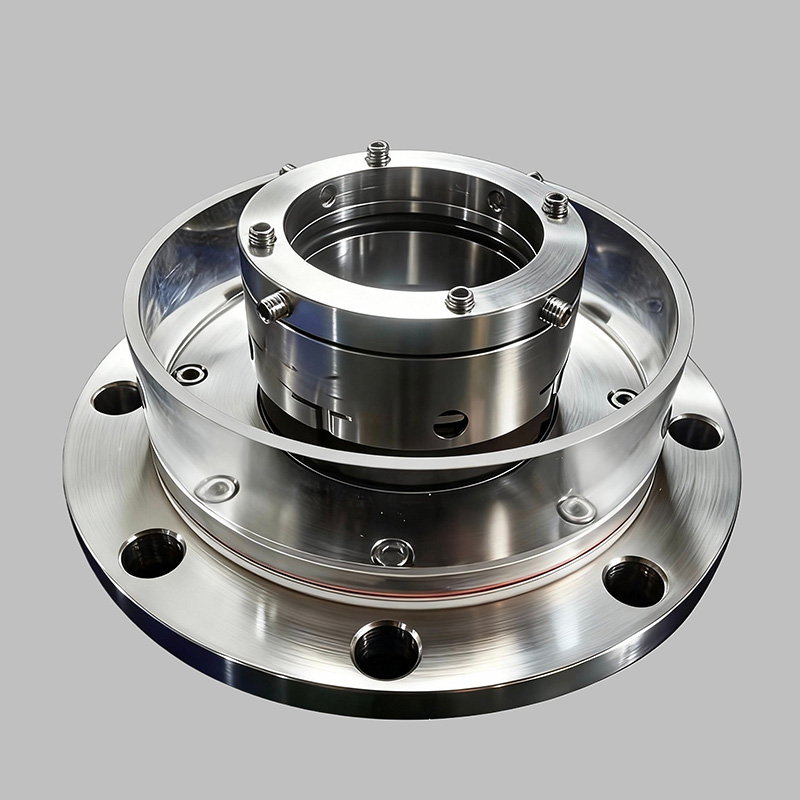
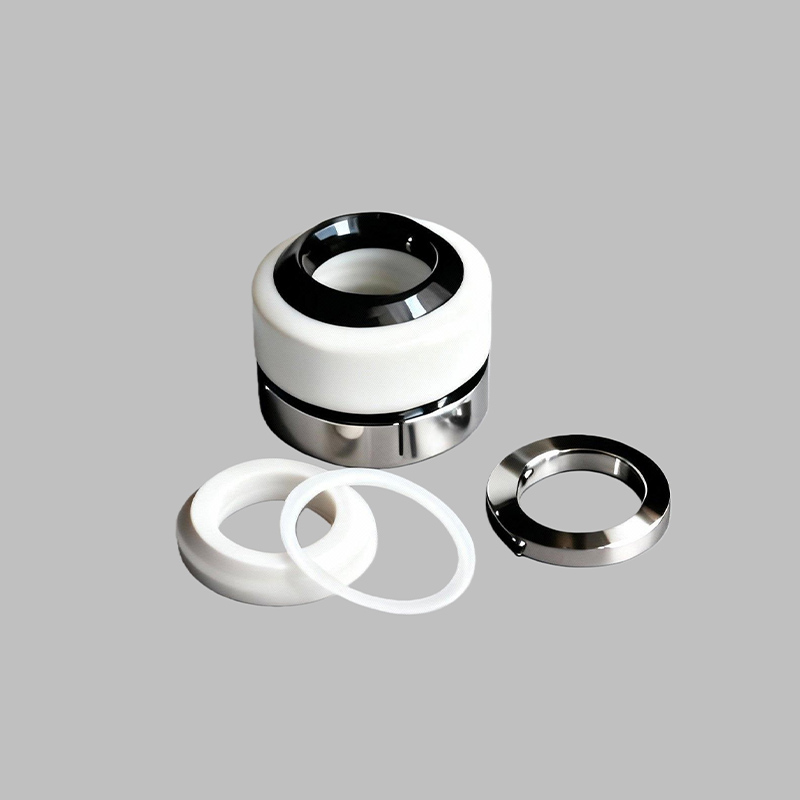
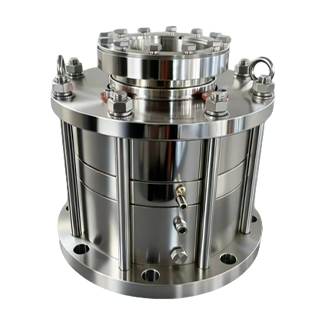
1. The mechanical seal features a modular design, with a shared platform for glass-lined reactors, special material reactors, and steel reactors. Customers can easily select the product based on the reactor type and standards to achieve optimal cost-effectiveness.
2. The mill-type and mechanical seal designs share a common platform, allowing for simple conversion by simply changing the friction pair. The design already considers FDA and GMP standards, requiring no structural alterations.
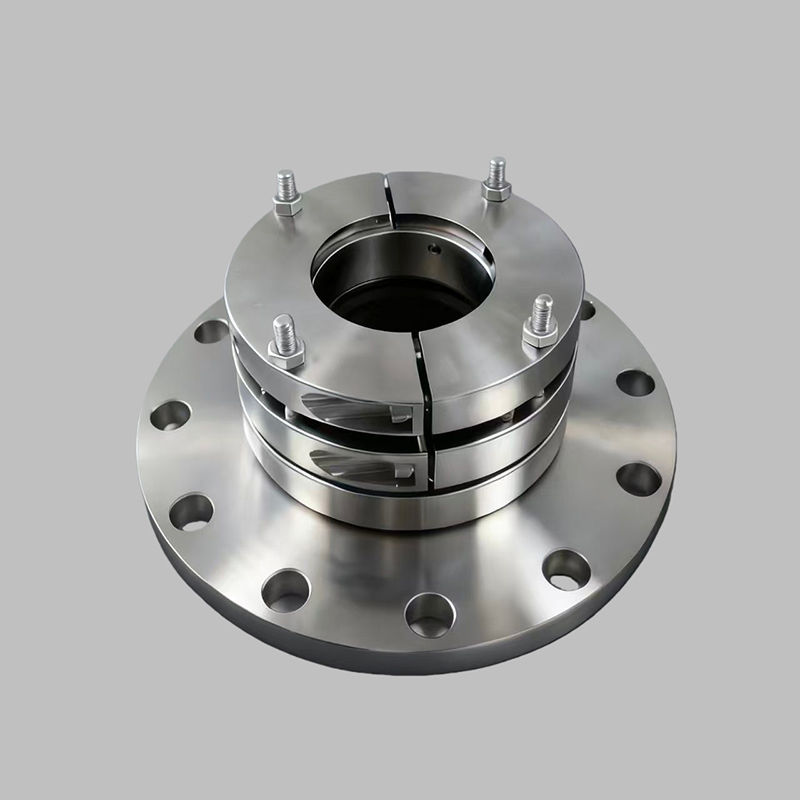
1. The mechanical seal adopts a split design, fully considering the ease of installation and disassembly on site. Customers can safely replace the mechanical seal without disassembling the motor, reducer, or frame, greatly saving replacement time.
2. The product adopts a balanced design, eliminating the need for an additional lubrication tank on site.
3. The connection size is the same as standard single-end flanges, allowing direct replacement of other conventional single-end mechanical seals.
4. The locking device uses a bushing design to effectively protect the agitator shaft from damage caused by tightening screws.
5. The simple modular design eliminates the need for customers to calculate installation dimensions; simply loosen the top screws for immediate use.
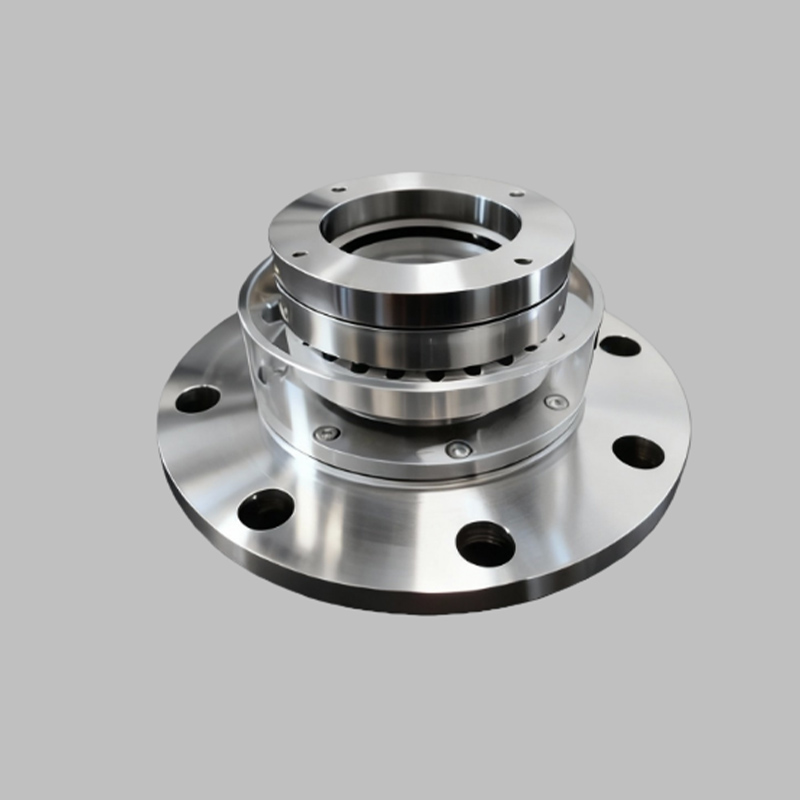
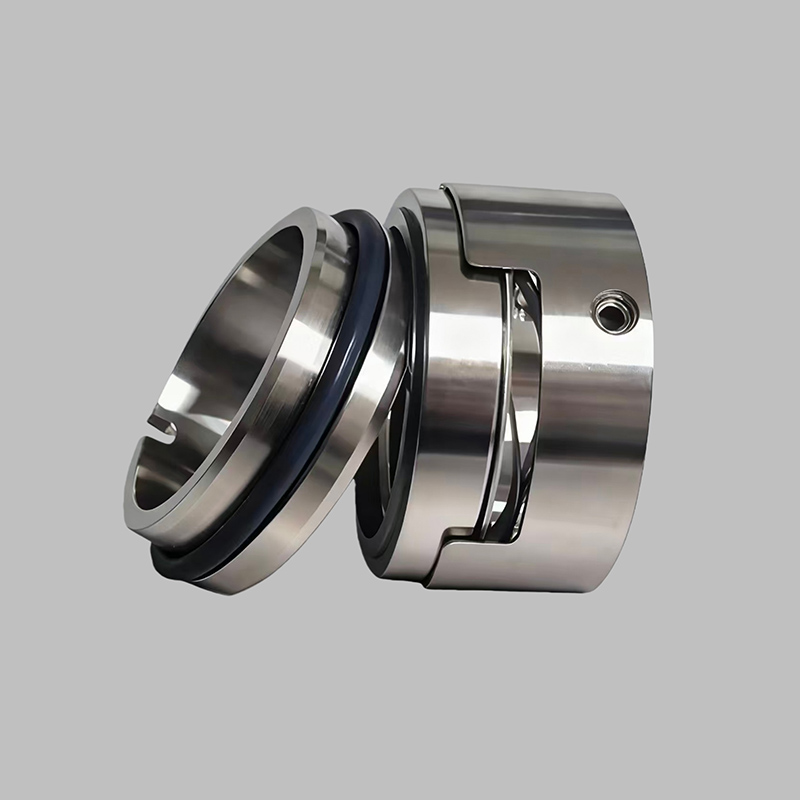
1. The mechanical seal features a modular design. Both special material reactors and steel reactors share a common platform for mechanical seal design, allowing customers to select the product based solely on the reactor's specifications to achieve optimal cost-effectiveness.
2. The metal bellows design is suitable for high-temperature applications. The sealing ring is resistant to solvent corrosion. When the reactor pressure exceeds 0.5 MPa, an auxiliary system must be used.
3. The mill-type and mechanical seal designs share a common platform. Simple conversion is achieved by simply changing the friction pair. The design already considers FDA and GMP standards, requiring no structural modifications.
1. The mechanical seal features a modular design, with a shared platform for glass-lined reactors, special material reactors, and steel reactors. Customers can easily select the product based on the reactor type and standards to achieve optimal cost-effectiveness.
2. The mill-type and mechanical seal designs share a common platform, allowing for simple conversion by simply changing the friction pair. The design already considers FDA and GMP standards, requiring no structural alterations.
1. The mechanical seal adopts a split design, fully considering the ease of installation and disassembly on site. Customers can safely replace the mechanical seal without disassembling the motor, reducer, or frame, greatly saving replacement time.
2. The product adopts a balanced design, eliminating the need for an additional lubrication tank on site.
3. The connection size is the same as standard single-end flanges, allowing direct replacement of other conventional single-end mechanical seals.
4. The locking device uses a bushing design to effectively protect the agitator shaft from damage caused by tightening screws.
5. The simple modular design eliminates the need for customers to calculate installation dimensions; simply loosen the top screws for immediate use.
1. The mechanical seal features a modular design. Both special material reactors and steel reactors share a common platform for mechanical seal design, allowing customers to select the product based solely on the reactor's specifications to achieve optimal cost-effectiveness.
2. The metal bellows design is suitable for high-temperature applications. The sealing ring is resistant to solvent corrosion. When the reactor pressure exceeds 0.5 MPa, an auxiliary system must be used.
3. The mill-type and mechanical seal designs share a common platform. Simple conversion is achieved by simply changing the friction pair. The design already considers FDA and GMP standards, requiring no structural modifications.
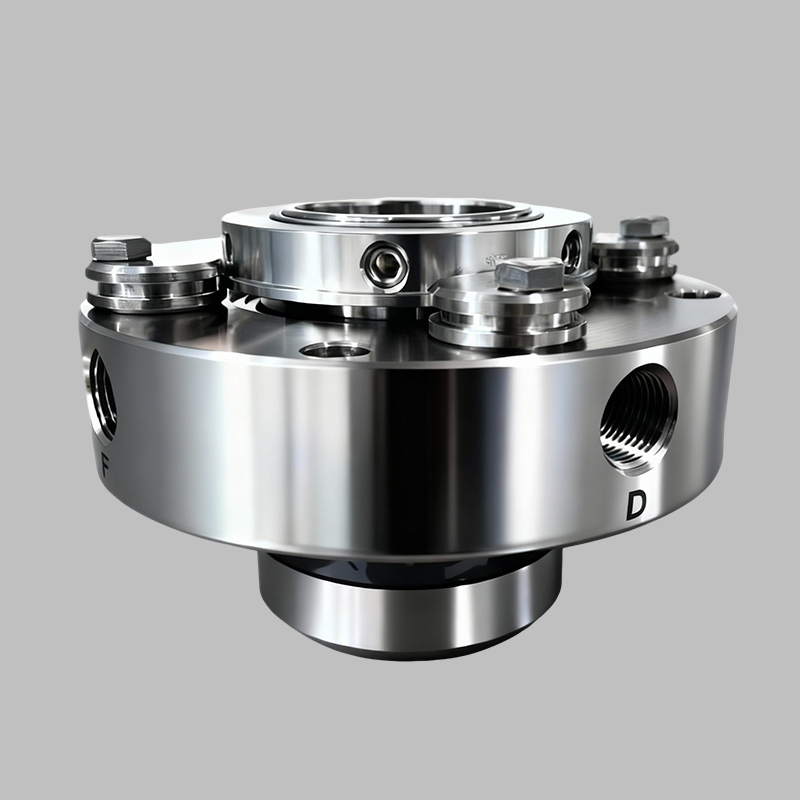
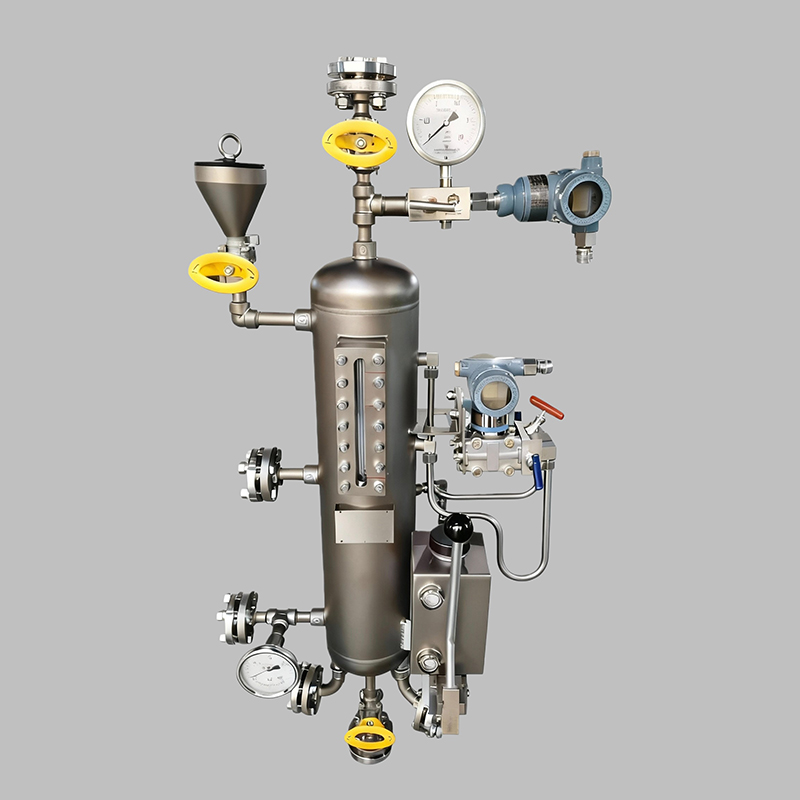
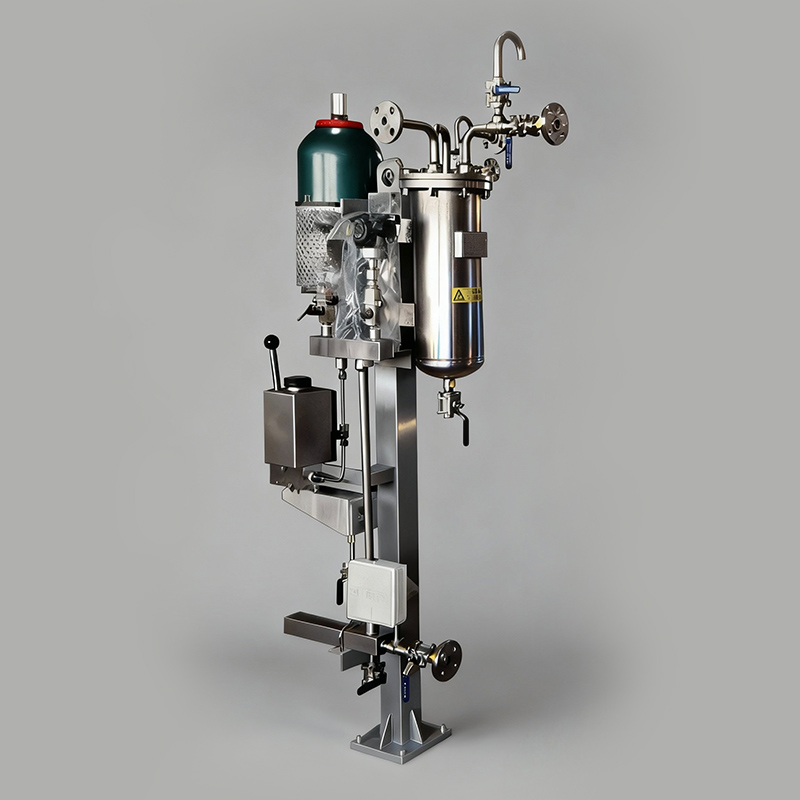
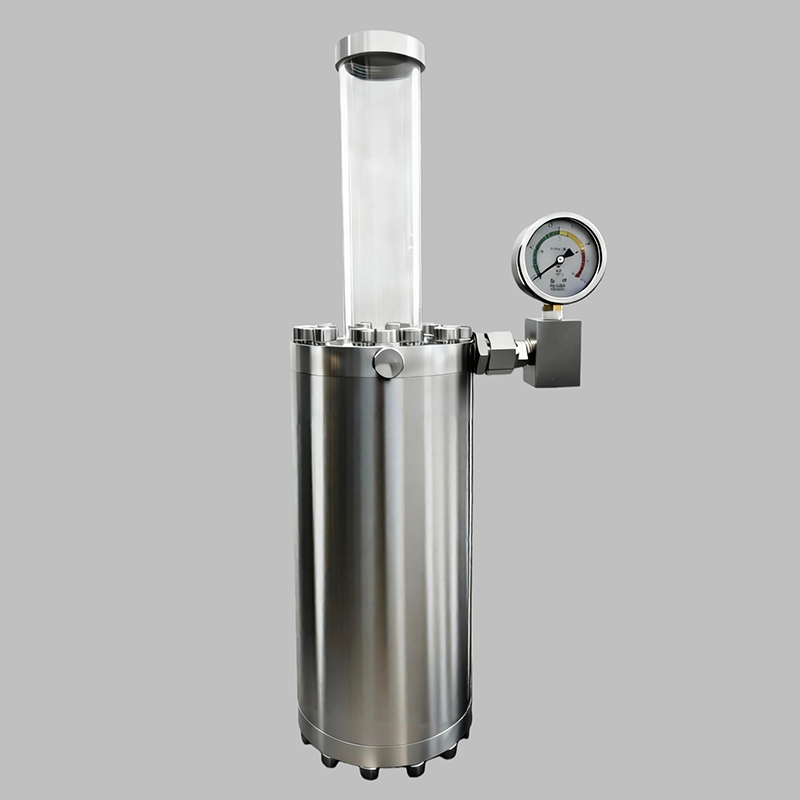
The PLAN53C system is a pressurized, dual-seal system that utilizes the sealing fluid within a closed system to cool and lubricate the mechanical seal (the sealing fluid pressure within the system comes from the booster). For PLAN53C systems used in pumps, the mechanical seal needs to be equipped with a pump efficiency ring or an external circulating pump to power the sealing fluid circulation. The sealing fluid returns to the sealing cavity after heat exchange in a heat exchanger, and the cycle repeats.
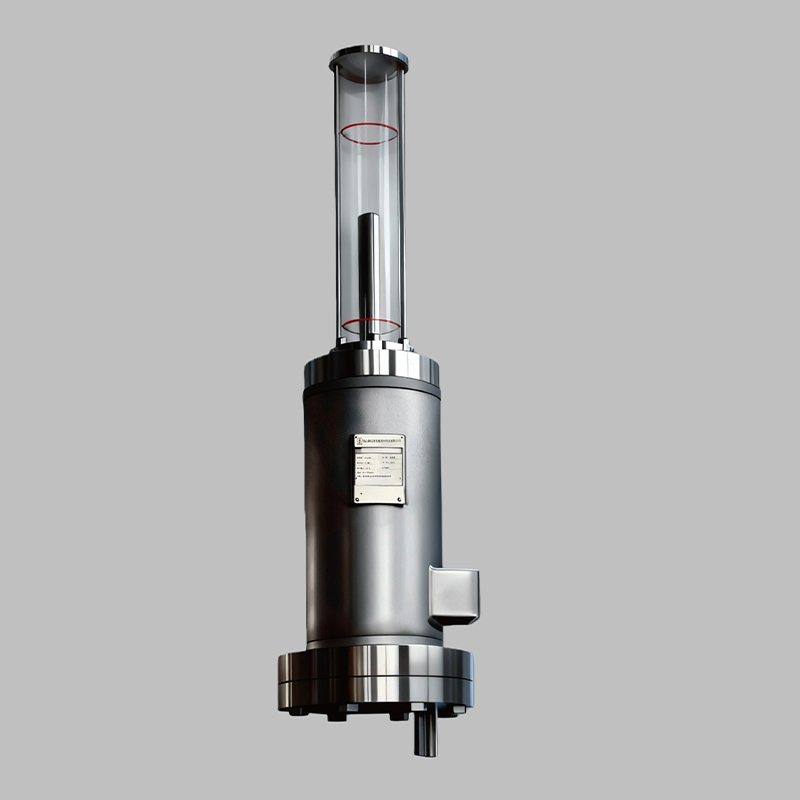
1. Connect the piping to the mechanical seal according to the diagram. Before connecting, fill the mechanical seal and booster tank with sealing fluid (machine oil or the process medium agreed upon before ordering), purge air from the system, and plug all pipe fittings.
2. Confirm that the booster tank piston is initially positioned at the bottom of the observation cover.
3. Under normal conditions, when the pressure reaches the maximum operating pressure, the piston rises to below 1/3 of the position of the observation cover and remains stationary.
4. If the piston exceeds the upper warning line during use, refill with sealing fluid following the steps above.
5. If the piston does not start when the operating pressure exceeds 0.25 MPa, please contact the manufacturer for assistance.

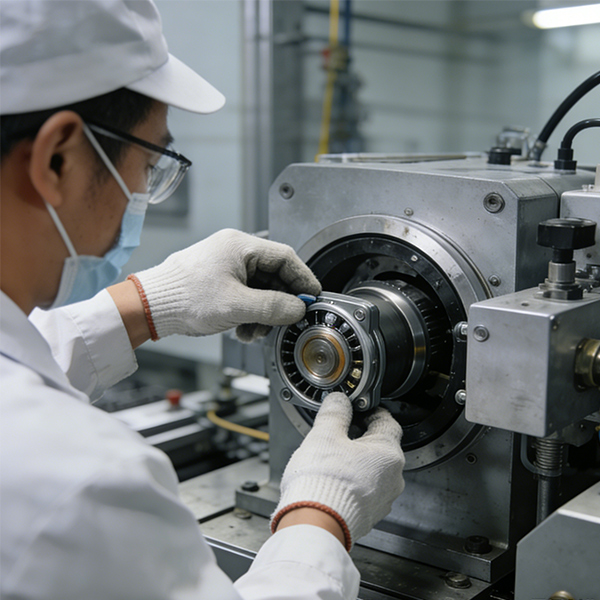
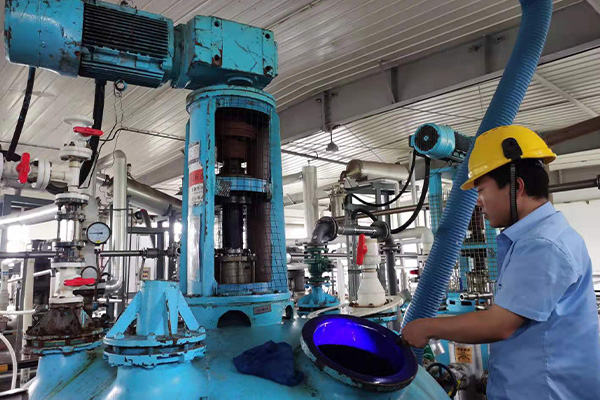
Background of Cooperation Shanshan Technology, a leading company in the new energy lithium battery industry, faces stringent challenges in the production of positive and negative electrode materials. Existing sealing solutions are insufficient to meet production needs, necessitating professional sealing technology support. Based on our company’s technical accumulation and industry reputation in the field of mechanical seals, Shanshan Technology has partnered with us to jointly overcome the sealing challenges of positive and negative electrode production equipment. Core Pain Points of Customers (1) Pain Points of Negative Electrode Production Equipment The high-temperature coated reactor used in negative electrode production can reach a maximum operating temperature of 800℃, and the axial extension of the horizontal reactor is as high as 40mm. Under the combined effects of high temperature and large axial extension, the spindle swing increases significantly, leading to premature failure of traditional mechanical seals. This not only affects production continuity but also significantly increases equipment maintenance costs and downtime losses. (2) Pain Points of Positive Electrode Production Equipment The positive electrode reactor is used for raw material synthesis, and the operating conditions involve highly toxic and corrosive media. Traditional sealing solutions cannot effectively prevent the leakage of hazardous media, posing a serious threat to the personal safety of operators and potentially causing environmental pollution, thus failing to meet relevant environmental protection and safe production standards. Customized Solutions Addressing the different operating conditions of Shanshan Technology’s positive and negative electrode production equipment, our company has assembled a dedicated technical team. After multiple rounds of technical discussions and experimental verification, we have launched two customized sealing solutions: (1) Negative Electrode Equipment Sealing Solution Our company has independently developed and launched a floating ring + labyrinth combination sealing structure protected by multiple patents. This structure fully considers the high-temperature characteristics of the high-temperature coated reactor and the operating requirements of 40mm axial extension. Through the synergistic effect of the floating ring and labyrinth, it effectively absorbs the spindle oscillation and offsets the sealing compensation pressure caused by axial extension, fundamentally solving the problem of early mechanical seal failure caused by high temperature and large axial extension, ensuring stable operation of the equipment under extreme conditions. (2) Positive Electrode Equipment Sealing Solution Addressing the highly toxic and corrosive operating conditions of the positive electrode reactor, our company has customized and developed a dry-running mechanical seal. The sealing materials selected are PTFE (polytetrafluoroethylene) and SSiC (silicon carbide). PTFE possesses excellent corrosion resistance, resisting the erosion of various highly toxic and corrosive media, while SSiC features high strength and high wear resistance, ensuring long-term stable sealing performance of the sealing end face. This solution achieves effective sealing of highly hazardous media, minimizing the risk of media leakage, reducing environmental harm to the greatest extent, and ensuring safety on the production site. Cooperation Results 1.Significantly Improved Stability: After adopting the floating ring + labyrinth combination seal in the negative electrode equipment, the problem of early mechanical seal failure was completely solved, significantly extending the continuous operation time of the equipment and reducing the maintenance frequency by more than 60%. The positive electrode dry-running mechanical seal achieved zero-leakage sealing for highly toxic and corrosive media, meeting environmental protection and safe production requirements. 2.Effective Cost Control: The extended service life of the seals reduces the frequency of seal replacement and maintenance labor costs, while avoiding production downtime losses due to seal failure, thus reducing the overall production costs for Shanshan Technology. 3.High Technical Recognition: The customized solution precisely matches the unique operating conditions of positive and negative electrode production, showcasing our company’s technical strength in the field of mechanical seals. This earned high recognition from Shanshan Technology, laying a solid foundation for further cooperation between the two parties. This collaboration with Shanshan Technology represents a successful example of our company’s deep integration of sealing technology with the specific operating conditions of the new energy lithium battery industry. In the future, our company will continue to focus on industry pain points, further develop customized sealing solutions, and provide reliable and efficient sealing technology support to more new energy companies.
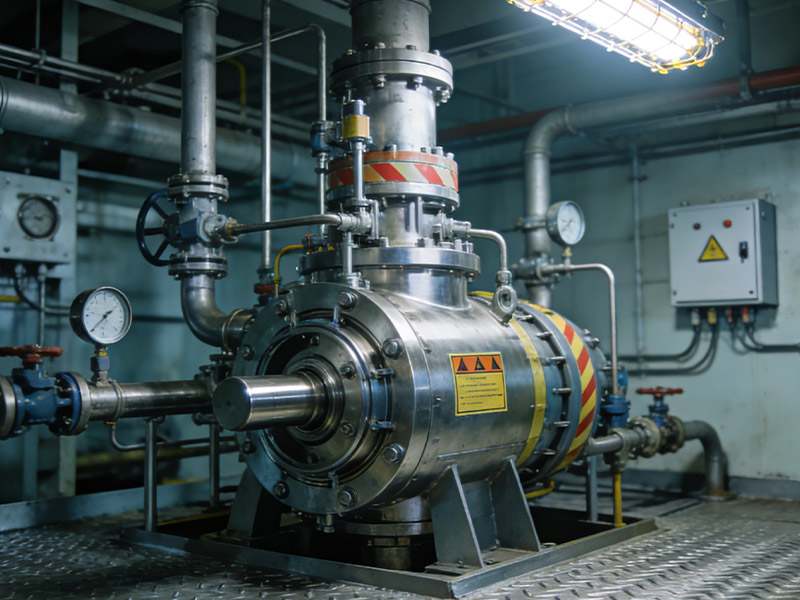
The mechanical seal for nitrogen addition catalysis achieves a very high range of simultaneous high temperature, high pressure, and high speed parameters. Our designed integral high-temperature, high-pressure, and high-speed reactor mechanical seal features a short shaft and incorporates a fully explosion-proof design. In the entire hydrogenation catalysis industry, reactor mechanical seals account for over 60% of the market share.
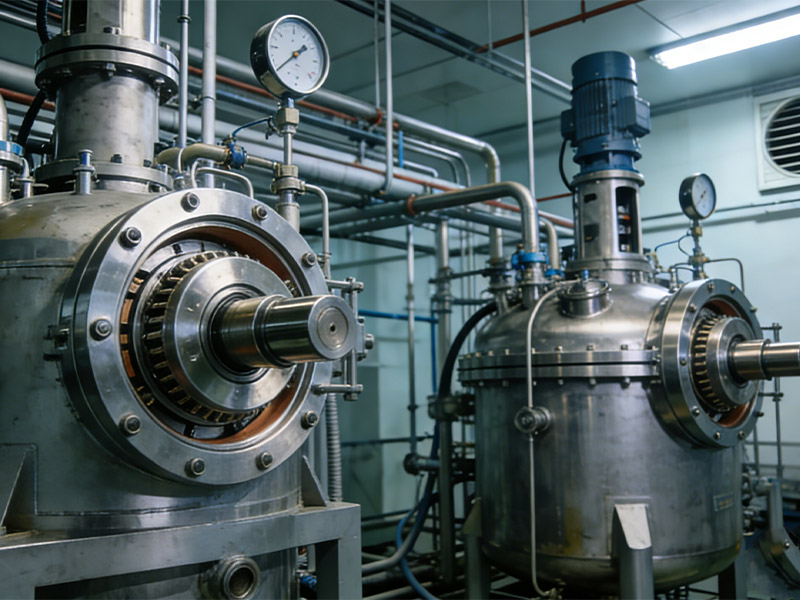
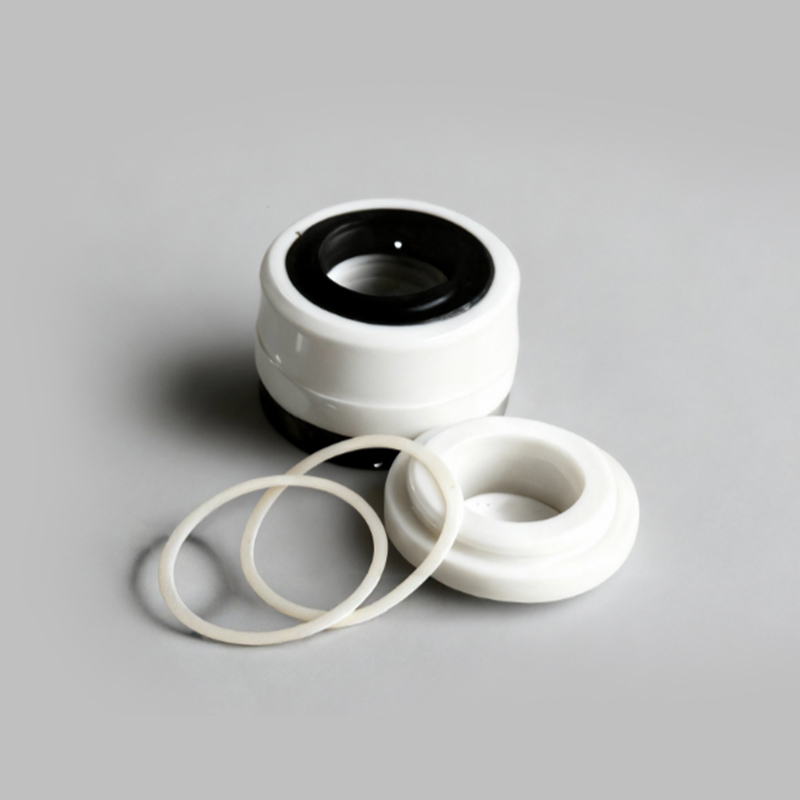
The negative electrode high-temperature coated reactor has a maximum operating temperature of 800℃, with an axial extension of 40mm for horizontal reactors. The positive electrode reactor is used for raw material synthesis under highly toxic and corrosive conditions. For the negative electrode, we have introduced a floating ring with multiple patents and a labyrinth combination seal, successfully solving the problem of premature mechanical seal failure caused by large spindle oscillation under axial extension and high-temperature conditions. For the positive electrode, we have launched a dry-running mechanical seal made of PTFE and SSiC, which is suitable for almost all media. This minimizes the environmental harm caused by highly hazardous media.
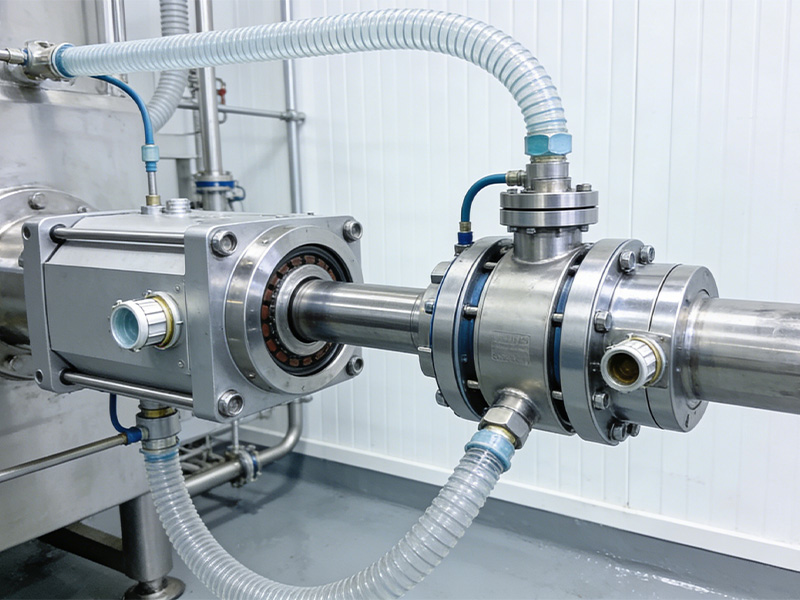
To prevent lubricating fluid and grinding debris from mechanical seal components from contaminating products inside the reactor, we have introduced modular dry-operation single-end-face and double-end-face modular mechanical seals. All materials in contact with these seals meet GMP and FDA certification requirements. Under inert gas protection, minimal end-face grinding debris is collected and discharged completely, and the seals can be periodically sterilized. This solves the technical challenges of high-requirement mechanical seals in the pharmaceutical and food industries.
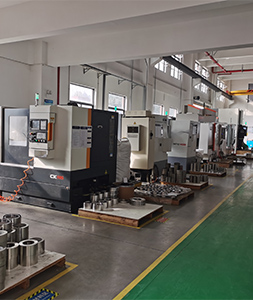
Located at No. 255 Dujuan Road, Kunshan Economic and Technological Development Zone, our company was established in 1995. With 30 years of technological accumulation, we are a national high-tech enterprise specializing in the design, development, production, and sales of fluid mechanical seals. Our reactor mechanical seals, pump mechanical seals, and sealing auxiliary systems are widely used in petrochemical, pharmaceutical, food, and new energy industries. The company has obtained 23 national patents. From product selection and type to the materials used, we are committed to providing customers with comprehensive solutions for "running, leaking, dripping, and seeping" mechanical seal technology, and offering efficient services.Adhering to the principle of technological innovation, we design modular mechanical seals to meet the diverse needs of our customers. Our innovative technology combined with high-quality products provides a one-stop service. We collaborate with high-caliber engineers to optimize the mechanical performance of product components, designing products with the longest possible service life under various conditions. All products comply with the latest industry standards, and rigorous testing measures ensure that every product leaving the factory is traceable within the company. Our motto is: Professionalism is the foundation, service is the guarantee, and quality is our reputation. We rely on reliable product quality and excellent after-sales service.
Years Experience
Total Employees
The country the customer is from
Case database