Industry Solutions

Nullam dignissim, ante scelerisque the is euismod fermentum odio sem semper the is erat, a feugiat leo urna eget eros. Duis Aenean a imperdiet risus.
Nullam dignissim, ante scelerisque the is euismod fermentum odio sem semper the is erat, a feugiat leo urna eget eros. Duis Aenean a imperdiet risus.
Industry Solutions
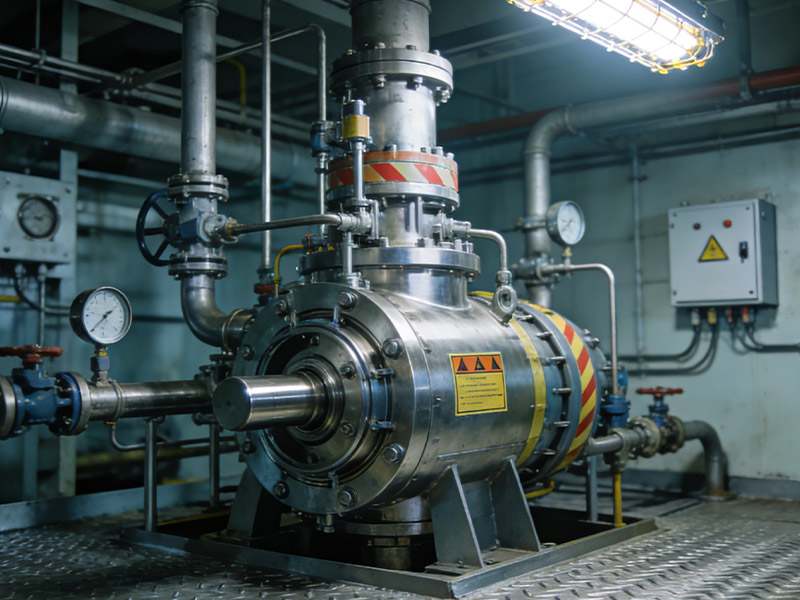
The mechanical seal for nitrogen addition catalysis achieves a very high range of simultaneous high temperature, high pressure, and high speed parameters. Our designed integral high-temperature, high-pressure, and high-speed reactor mechanical seal features a short shaft and incorporates a fully explosion-proof design. In the entire hydrogenation catalysis industry, reactor mechanical seals account for over 60% of the market share.
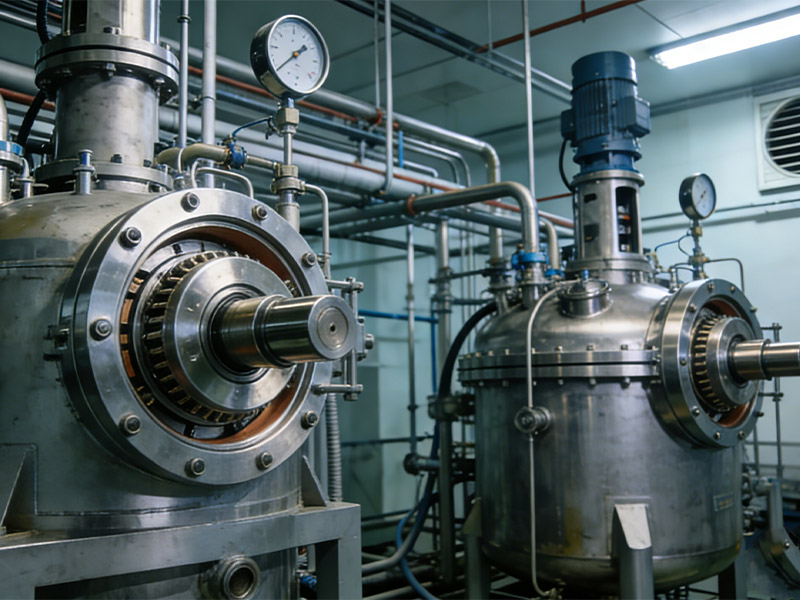
The negative electrode high-temperature coated reactor has a maximum operating temperature of 800℃, with an axial extension of 40mm for horizontal reactors. The positive electrode reactor is used for raw material synthesis under highly toxic and corrosive conditions. For the negative electrode, we have introduced a floating ring with multiple patents and a labyrinth combination seal, successfully solving the problem of premature mechanical seal failure caused by large spindle oscillation under axial extension and high-temperature conditions. For the positive electrode, we have launched a dry-running mechanical seal made of PTFE and SSiC, which is suitable for almost all media. This minimizes the environmental harm caused by highly hazardous media.
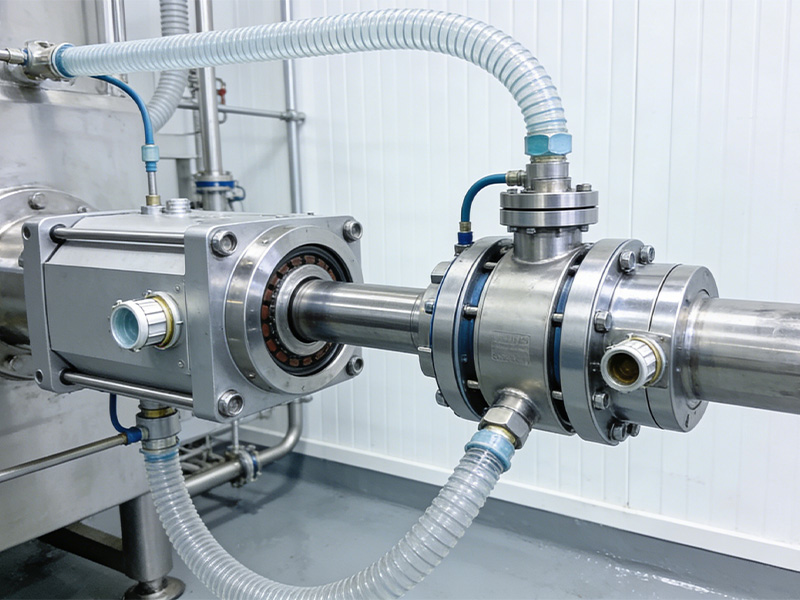
To prevent lubricating fluid and grinding debris from mechanical seal components from contaminating products inside the reactor, we have introduced modular dry-operation single-end-face and double-end-face modular mechanical seals. All materials in contact with these seals meet GMP and FDA certification requirements. Under inert gas protection, minimal end-face grinding debris is collected and discharged completely, and the seals can be periodically sterilized. This solves the technical challenges of high-requirement mechanical seals in the pharmaceutical and food industries.
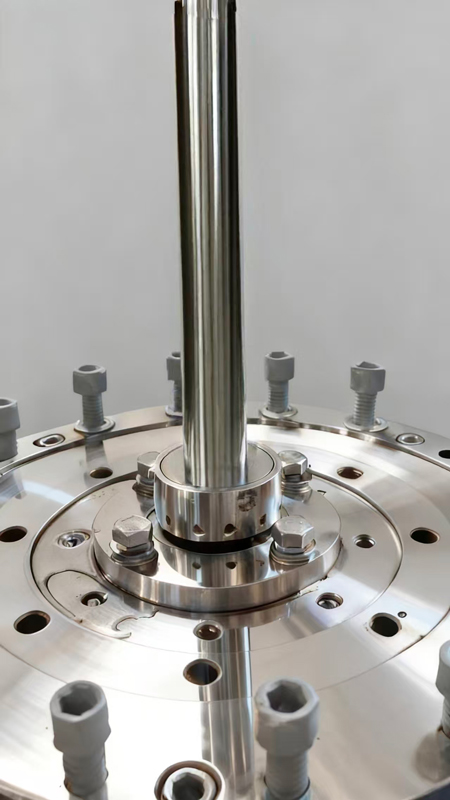
High-speed dry-running mechanical seals (solving cleanliness and sterilization issues in the bio-fermentation and pharmaceutical industries)