Parameter
| Structure |
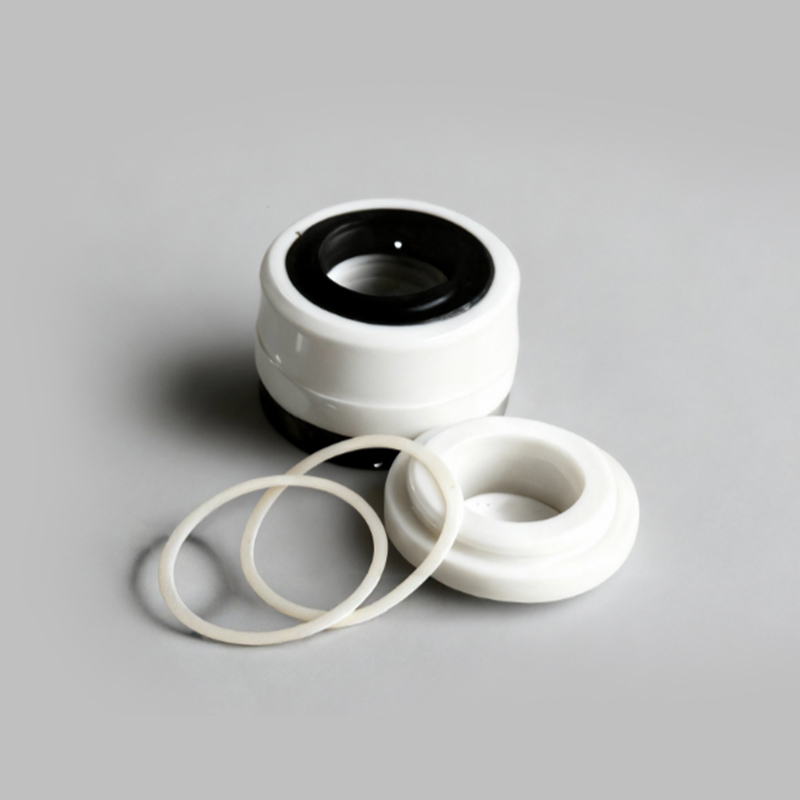
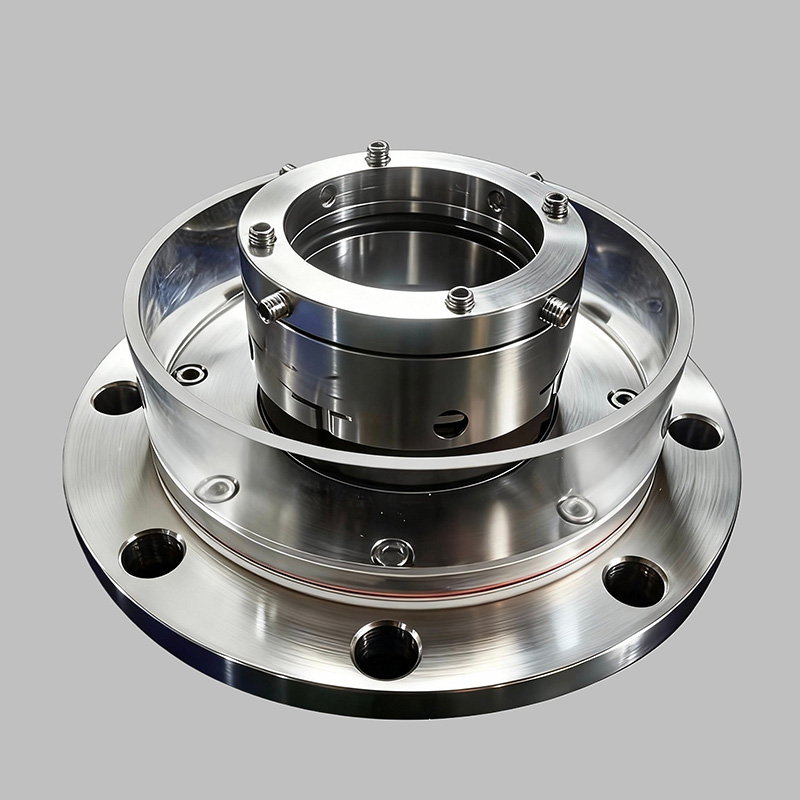
External mounting, single end face, balanced type, multi-spring, PTFE bellows, arbitrary rotation direction, springs can be equipped with protective covers (WB2 type). |
| Shaft Diameter Range |
30~65 mm (common size, custom sizes available) |
| Work Pressure (MPa) |
≤0.5 MPa (vacuum ~ 5 bar, overpressure strictly prohibited) |
|
Medium Temperature
|
-10℃ to +100℃ (PTFE bellows limitation; higher/lower temperatures require material upgrades or cooling solutions). |
|
Linear Velocity
|
<15 m/s (corresponding speed is converted based on shaft diameter, typically ≤3000 r/min) |
|
Axial movement
|
±0.5 mm, radial runout ≤0.06 mm |
|
End Face Material
|
SiC/SiC, SiC/TC, carbon graphite/TC (selected according to media corrosiveness and abrasiveness) |
|
Auxiliary Seal
|
PTFE (tetrafluoroethylene) bellows + O-ring (NBR/EPDM/FKM optional) |
|
Metal parts:
|
SS304/SS316 stainless steel |
Applicable operating conditions and media
1. Typical Media: Highly corrosive media (such as concentrated acids, concentrated alkalis, organic solvents, salt spray, chlorine-containing media), clean or low-abrasive chemical fluids (particles ≤50 mg/L, particle size ≤5 μm); not suitable for highly abrasive (high solids content), high viscosity, or fibrous conditions.
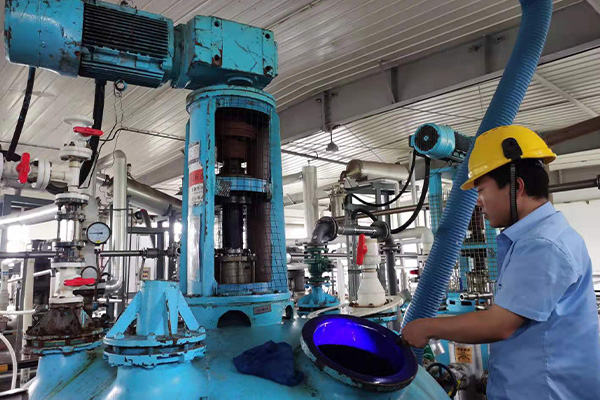
2. Applicable Equipment: Corrosion-resistant centrifugal pumps, chemical process pumps, pickling pumps, electroplating circulating pumps, laboratory pumps (internal installation space, PTFE bellows suitable for highly corrosive environments)
3. Industry Scenarios: Highly corrosive environments such as fine chemicals, pharmaceuticals, electroplating, pickling, semiconductor cleaning, water treatment (dosing of highly corrosive agents), and fluorochemicals.
4. Limitations:
– End face lubrication must be ensured; dry grinding is strictly prohibited; a flushing solution (PLAN 11/21) may be necessary.
– When pressure >0.4 MPa or temperature >80 ℃, it is recommended to increase cooling/flushing or upgrade the material (e.g., using FKM+SiC/SiC combination).
– If the particle content exceeds the standard, a filter device must be added to prevent the bellows from becoming clogged or its end face from wearing down.
Application areas/scenarios
– Industrial water pumps (clean water pumps, cooling water pumps, circulating water pumps)
– Chemical pumps (transporting weak acid and weak alkali solutions)
– Sewage pumps (municipal sewage treatment, industrial wastewater treatment)
– Petrochemical equipment (transporting oils, light hydrocarbon media)
– Food and beverage, pharmaceutical industry (materials meeting hygiene standards are optional)
FAQ
1. Leakage Issues (Most Common)
– Static sealing surface leakage: Check if the stationary ring seals (O-rings, V-rings) are aged, deformed, or missized. Replace with seals of the same specifications that are resistant to the medium and temperature. If the clearance between the stationary ring and the gland is too large, the stationary ring needs to be re-machined or replaced.
– Dynamic sealing surface leakage: Check the sealing end faces of the dynamic and stationary rings for scratches, wear, or chipping. Minor scratches can be repaired by grinding; for severe scratches, replace the sealing ring directly. Also, confirm if the spring compression is appropriate. If insufficient compression, add gaskets; if excessive compression, reduce the number of gaskets.
– Leakage at the bushing-shaft mating point: Check if the bushing seal is damaged or if the clearance between the bushing and the shaft is too large. Replace the seal or re-grind the bushing.
2. Abnormal Wear
– Excessive end face wear: If due to particulate impurities in the medium, a filter needs to be installed; if due to insufficient lubrication, a self-lubricating seal such as an impregnated graphite ring can be used, or an external flushing fluid (such as a clean liquid of the same medium) can be introduced.
– Shaft sleeve wear: Replace the shaft sleeve with one made of wear-resistant material, and adjust the coaxiality of the sealing cavity and the shaft to avoid uneven wear.
3. Overheating and Burnout
– Excessive sealing cavity temperature: Check for blockages in the cooling system and clean the cooling pipes; if the medium temperature itself is too high, use high-temperature resistant sealing materials (such as silicon nitride ceramic rings or fluororubber sealing rings).
– Spring failure leading to poor end-face contact: Replace fatigued or corroded springs with corrosion-resistant spring materials such as stainless steel, and ensure uniform spring compression.
4. Vibration and Abnormal Noise
– Coaxiality Deviation: Recalibrate the coaxiality of the pump shaft and motor shaft, adjust the radial runout of the sealing cavity and shaft, and control it within the allowable range.
– Loose Parts: Check whether the gland bolts and drive pins are loose, tighten the bolts evenly according to the specified torque, and replace worn drive pins.
5. Short lifespan of the seal
– Material mismatch with the medium: Replace the sealing material according to the characteristics of the medium (e.g., use Hastelloy or PTFE for corrosive media; use silicon carbide for high-temperature media).
– Improper installation: Strictly follow the installation specifications to avoid impact or scratches on the sealing surface, and ensure that no impurities enter the sealing cavity during installation.