Nullam dignissim, ante scelerisque the is euismod fermentum odio sem semper the is erat, a feugiat leo urna eget eros. Duis Aenean a imperdiet risus.

Our Prodcuts

Select the product you are interested in

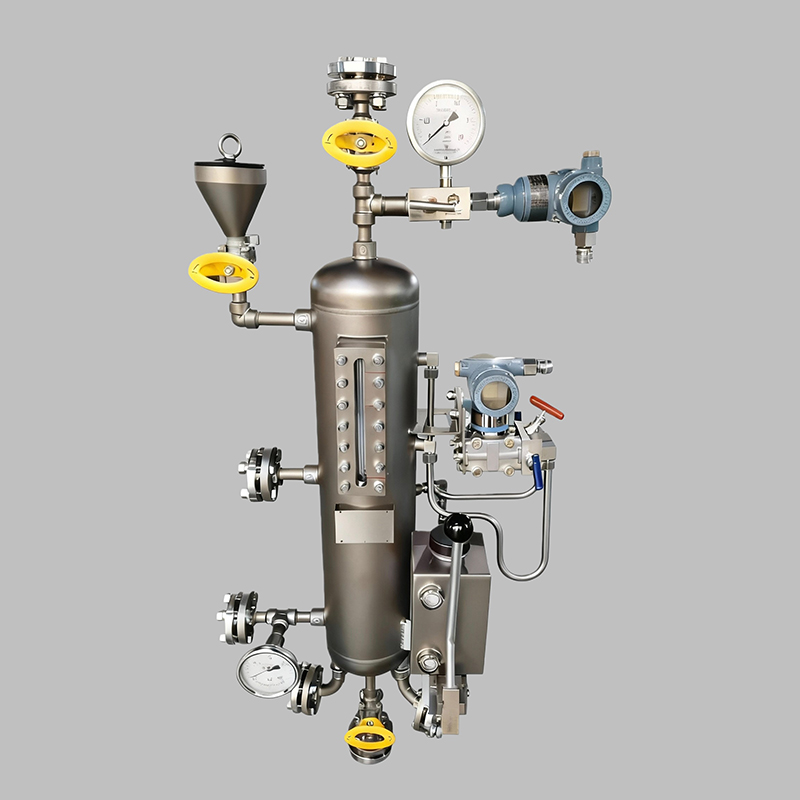
PLAN53A

PLAN53A

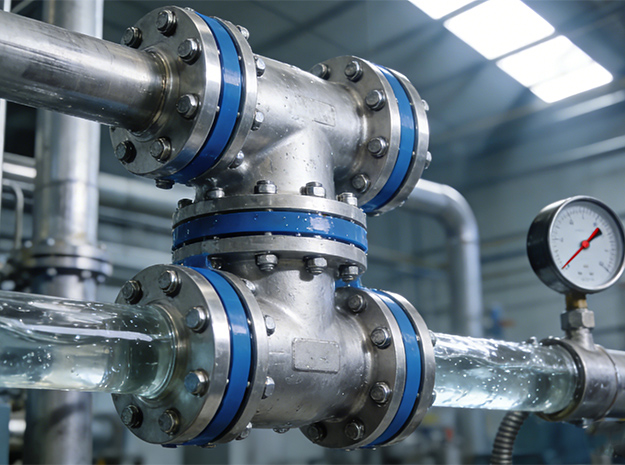
Pressure Transmitter (Huan Gong)
Learn More
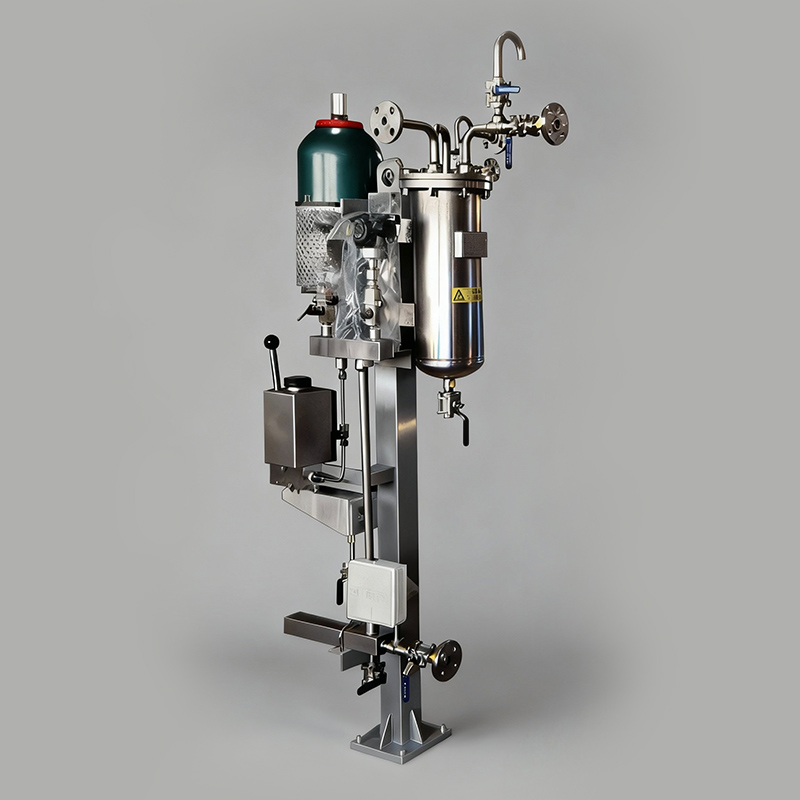
PLAN53C

PLAN53C

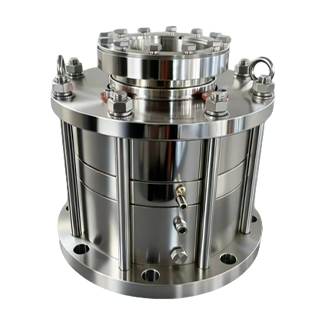
The PLAN53C system is a pressurized, dual-seal system that utilizes the sealing fluid within a closed system to cool and lubricate the mechanical seal (the sealing fluid pressure within the system comes from the booster). For PLAN53C systems used in pumps, the mechanical seal needs to be equipped with a pump efficiency ring or an external circulating pump to power the sealing fluid circulation. The sealing fluid returns to the sealing cavity after heat exchange in a heat exchanger, and the cycle repeats.
Learn More
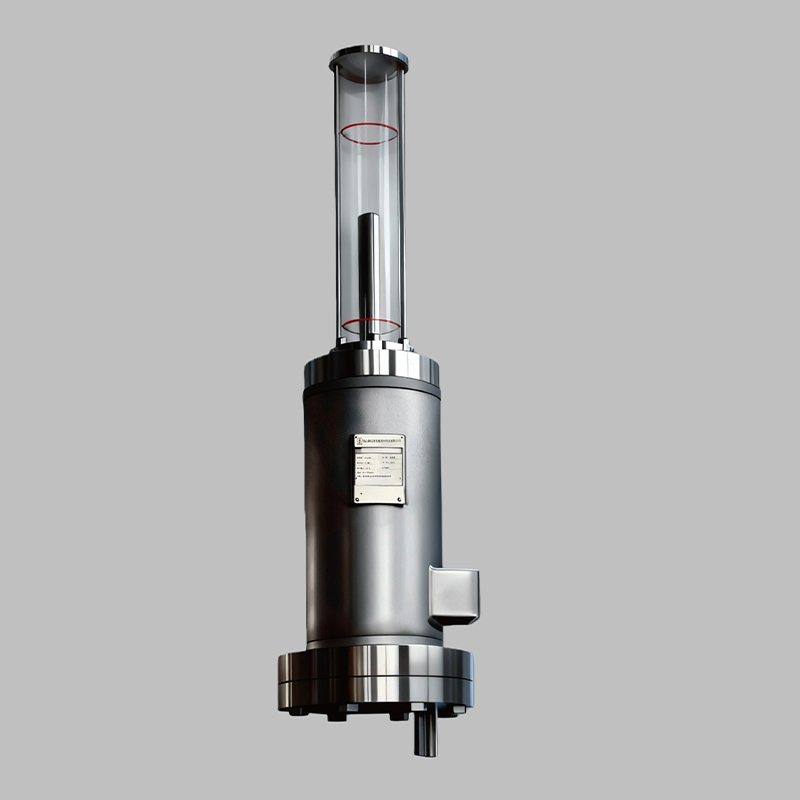
XYM-Z280

XYM-Z280

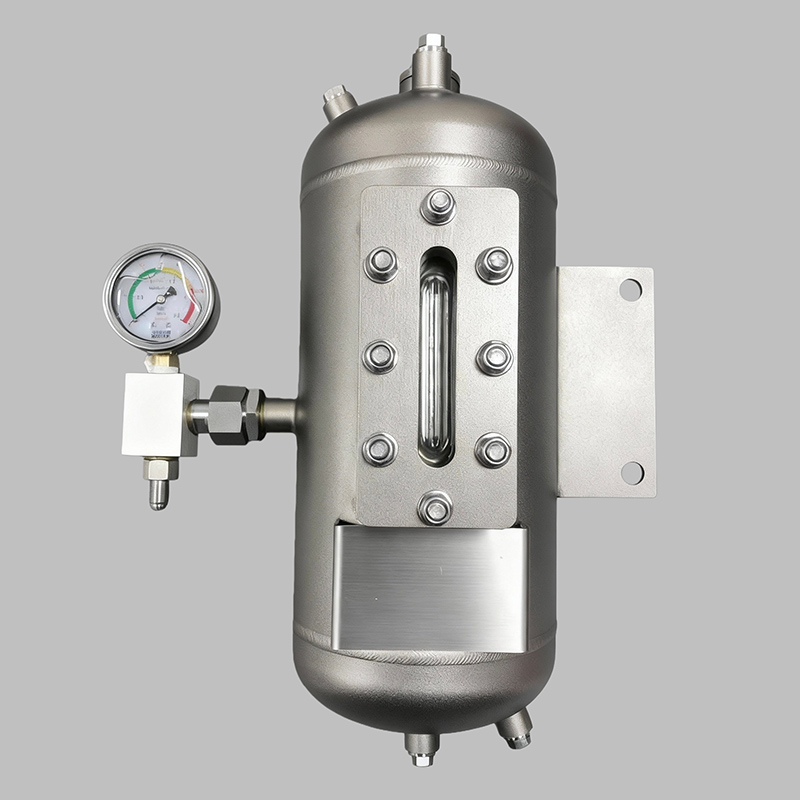
1. Connect the piping to the mechanical seal according to the diagram. Before connecting, fill the mechanical seal and booster tank with sealing fluid (machine oil or the process medium agreed upon before ordering), purge air from the system, and plug all pipe fittings.
2. Confirm that the booster tank piston is initially positioned at the bottom of the observation cover.
3. Under normal conditions, when the pressure reaches the maximum operating pressure, the piston rises to below 1/3 of the position of the observation cover and remains stationary.
4. If the piston exceeds the upper warning line during use, refill with sealing fluid following the steps above.
5. If the piston does not start when the operating pressure exceeds 0.25 MPa, please contact the manufacturer for assistance.
Learn More
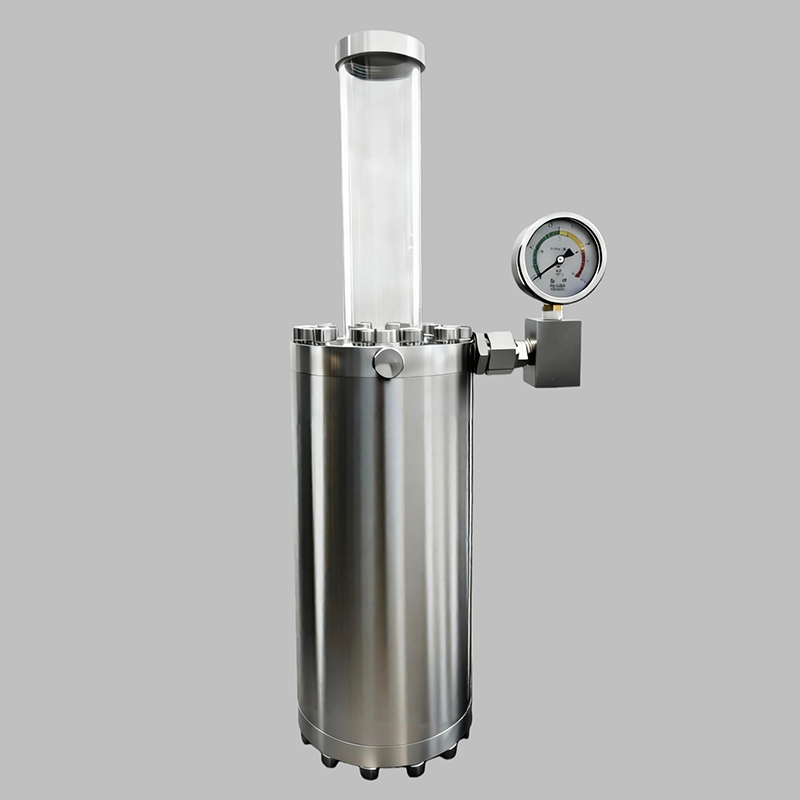
XYM-C160

XYM-C160

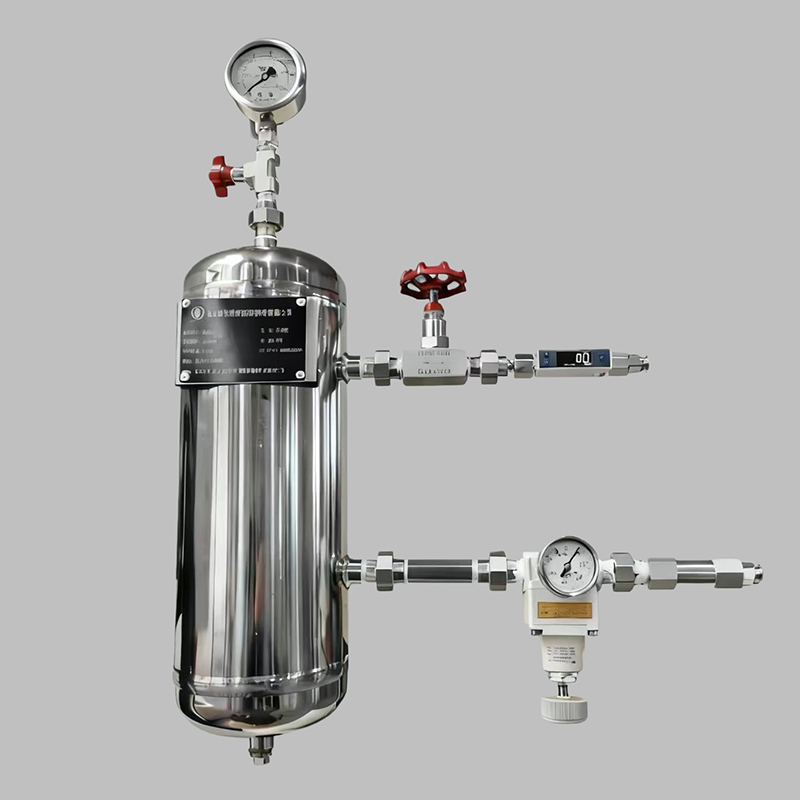
The storage tank should be installed at a height 300 mm higher than the mechanical seal. After connecting the piping according to the drawings, purge the air from the mechanical seal. Add sealing fluid, using machine oil or water as required, up to the top end cap line, ensuring some air is retained. Connect nitrogen to a controllable pressure valve and adjust the pressure to 0.1 MPa higher than the maximum pressure inside the vessel (pressure stabilization). When the sealing fluid in the balance tank falls below the lowest observation level, the system must be replenished to the maximum level.
Learn More
FAQ

Frequently Asked Questions

faq
- Static sealing surface leakage: Check if the stationary ring seals (O-rings, V-rings) are aged, deformed, or missized. Replace with seals of the same specifications that are resistant to the medium and temperature. If the clearance between the stationary ring and the gland is too large, the stationary ring needs to be re-machined or replaced.
- Dynamic sealing surface leakage: Check if the sealing end faces of the dynamic and stationary rings have scratches, wear, or chipping. Minor scratches can be repaired by grinding; for severe scratches, replace the sealing ring directly. Also, confirm if the spring compression is appropriate. If insufficient compression, add gaskets; if excessive compression, reduce the number of gaskets.
- Leakage at the bushing-shaft mating point: Check if the bushing seal is damaged or if the clearance between the bushing and the shaft is too large. Replace the seal or re-grind the bushing.
- Excessive end face wear: If caused by particulate impurities in the medium, a filter needs to be installed; if caused by insufficient lubrication, a self-lubricating seal such as an impregnated graphite ring can be used, or an external flushing fluid (such as a clean liquid of the same medium) can be introduced.
- Shaft sleeve wear: Replace the shaft sleeve with one made of wear-resistant material, and adjust the coaxiality of the sealing cavity and the shaft to avoid uneven wear.
- Overheating of the sealing cavity: Check for blockages in the cooling system and clean the cooling pipes. If the medium temperature itself is too high, use high-temperature resistant sealing materials (such as silicon nitride ceramic rings or fluororubber sealing rings).
- Poor end-face contact due to spring failure: Replace fatigued or corroded springs with corrosion-resistant spring materials such as stainless steel, and ensure uniform spring compression.
- Coaxiality deviation: Recalibrate the coaxiality of the pump shaft and motor shaft, and adjust the radial runout of the sealing cavity and shaft to within the allowable range.
- Loose parts: Check whether the gland bolts and drive pins are loose. Tighten the bolts evenly to the specified torque, and replace worn drive pins.
- Material incompatibility with the medium: Replace the sealing material according to the characteristics of the medium (e.g., Hastelloy or PTFE for corrosive media; silicon carbide for high-temperature media).
- Improper installation: Strictly follow the installation specifications to avoid impact or scratches on the sealing surface and ensure that no impurities enter the sealing cavity during installation.
decorate
Looking for a trusted mechanical seal supplier for your global projects?

Contact Us

Our factory has extensive export experience, and our products meet ISO standards. We offer a one-stop service from product selection to after-sales support, including on-site installation guidance. Whether you need small samples or large orders, we can meet your needs. Send us an inquiry today to discuss your project details and get a sample quote.

    Your Name*

    Email*

    Tel*

    WhatsApp*

    Message*

    Products
    Contacts
    WhatsApp
    Email